Want to explore cloud computing without spending a dime? The AWS Free Tier is your golden ticket—offering 12 months of free access to essential services, plus always-free options you can use forever.

What Is AWS Free Tier?

Amazon Web Services (AWS) launched the Free Tier to help individuals, startups, and developers experiment with its cloud platform without financial risk. It’s not a trial; it’s a long-term offer designed to lower the barrier to entry for cloud adoption. Whether you’re building a personal project, learning cloud skills, or testing a startup idea, the AWS Free Tier provides real, usable resources at zero cost—for a limited time or indefinitely.
How AWS Free Tier Works
The AWS Free Tier operates on three models: 12-month free, always free, and usage-based free tiers. The 12-month offer starts the moment you create your AWS account and lasts exactly one year. During this period, you get generous usage limits on popular services like EC2, S3, and RDS. After the year ends, your account reverts to the pay-as-you-go model unless you cancel services.
The always free tier includes services you can use indefinitely, such as 5 GB of Amazon S3 storage, 1 million free Lambda requests per month, and 750 hours of AWS Fargate per month. These are perfect for small-scale applications or learning purposes. Lastly, some services offer a usage-based free model, where you get a certain amount of usage each month at no cost, resetting every month.
“The AWS Free Tier is not just a marketing gimmick—it’s a strategic tool to onboard the next generation of cloud innovators.” — AWS Official Blog
Eligibility and Account Requirements
To qualify for the AWS Free Tier, you must create a new AWS account with valid payment information. Yes, you need a credit card, but you won’t be charged as long as you stay within the free usage limits. AWS verifies your identity and payment method to prevent abuse. The free tier is available to all new users, regardless of whether they’re individuals, students, or small businesses.
- You must be 18 years or older.
- A valid email address and phone number are required.
- Payment method (credit/debit card) must be provided.
Once your account is active, the 12-month clock starts immediately. You can track your free tier usage through the AWS Management Console or the AWS Billing Dashboard. It’s crucial to monitor your usage to avoid unexpected charges when the free period ends or if you exceed limits.
Top 7 Services Included in AWS Free Tier
The AWS Free Tier isn’t just a handful of basic tools—it includes some of the most powerful and widely used cloud services in the industry. Let’s dive into the top seven services that make this offer so valuable.
Amazon EC2 (Elastic Compute Cloud)
Amazon EC2 is the backbone of AWS, providing scalable virtual servers in the cloud. Under the 12-month free tier, you get 750 hours per month of Linux or Windows t2.micro or t3.micro instances. That’s enough to run a single instance 24/7 for an entire year.
These instances come with 1 vCPU, 1 GB of RAM, and limited storage (typically 30 GB of EBS storage). While not suitable for high-traffic websites, they’re perfect for learning, hosting small apps, or running a personal blog. You can also use them to experiment with Docker, Kubernetes (via EKS), or even host a Minecraft server.
For more details, visit the official EC2 Free Tier page.
Amazon S3 (Simple Storage Service)
Amazon S3 is one of the most popular object storage services globally. The AWS Free Tier gives you 5 GB of standard storage, 20,000 GET requests, and 2,000 PUT requests per month—forever. This is ideal for storing backups, static website assets, or small datasets.
You can use S3 to host a static website, store photos, or serve as a data lake for analytics. The free tier also includes 15 GB of data transfer out to the internet each month, which helps reduce bandwidth costs. However, be cautious with cross-region transfers or frequent API calls, as those can incur charges.
- 5 GB of standard storage
- 20,000 GET requests
- 2,000 PUT requests
- 15 GB data transfer out
Learn more at Amazon S3 Pricing.
Amazon RDS (Relational Database Service)
Need a managed database? AWS Free Tier includes 750 hours per month of a db.t3.micro instance for MySQL, PostgreSQL, MariaDB, Oracle, or SQL Server. This allows you to run a small relational database without managing the underlying infrastructure.
You also get 20 GB of General Purpose (SSD) storage and 20 million I/Os per month. This is sufficient for development, testing, or low-traffic applications. However, if your app grows, you’ll need to upgrade to a paid plan.
RDS handles backups, patching, and failover, making it a great choice for beginners. Just remember to delete snapshots after testing to avoid storage fees.
AWS Lambda
AWS Lambda is a serverless compute service that runs your code in response to events. It’s part of the always free tier, offering 1 million free requests per month and 400,000 GB-seconds of compute time.
This means you can run small functions—like processing images, handling API calls, or automating tasks—without paying anything. Lambda integrates seamlessly with other AWS services like S3, DynamoDB, and API Gateway, making it a powerful tool for building event-driven architectures.
For example, you can set up a Lambda function to automatically resize images uploaded to S3. Since most personal or hobby projects won’t exceed 1 million requests, you might never pay for Lambda.
Amazon DynamoDB
DynamoDB is a fully managed NoSQL database that scales automatically. The AWS Free Tier includes 25 GB of storage, 25 write capacity units, and 25 read capacity units per month—forever.
This is perfect for mobile apps, IoT backends, or real-time web applications. DynamoDB is serverless, so you don’t need to manage servers or worry about scaling. The free tier supports thousands of requests per day, making it ideal for prototyping and small production workloads.
It also integrates with AWS Lambda, allowing you to build powerful backend systems without infrastructure management.
Amazon CloudFront
CloudFront is AWS’s content delivery network (CDN) that speeds up content delivery by caching it in edge locations worldwide. The AWS Free Tier includes 1 TB of data transfer out and 10 million HTTP/HTTPS requests per month for the first 12 months.
This is excellent for websites, blogs, or apps with global users. By using CloudFront, you reduce latency and improve load times. It also integrates with S3, so you can serve static assets like images, videos, and JavaScript files from the edge.
After the first year, you’ll be charged based on usage, but the free tier gives you a solid head start.
Amazon Route 53
Route 53 is AWS’s scalable DNS web service. The free tier includes 10 million DNS queries per month for the first 12 months. This is more than enough for most small websites or personal projects.
You can use Route 53 to register domain names, manage DNS records, and route traffic based on latency or geography. While domain registration isn’t free, the DNS query volume is generous and helps reduce costs during the initial phase of your project.
For more, check Route 53 Pricing.
How to Sign Up for AWS Free Tier
Getting started with the AWS Free Tier is straightforward, but it’s important to follow the steps carefully to avoid mistakes.
Create an AWS Account
Visit aws.amazon.com and click “Create an AWS Account.” You’ll need to provide your email, create a password, and enter your personal or business details. AWS will ask for a valid credit card, but you won’t be charged unless you exceed free limits or use paid services.
The signup process includes identity verification, which may involve a phone call or SMS. Once verified, your account is active, and the 12-month free period begins immediately.
Navigate the Free Tier Dashboard
After logging in, go to the AWS Management Console. From there, you can access the Free Tier section under the Billing & Cost Management dashboard. This page shows your current usage, remaining free hours, and services eligible for free tier.
You can also set up billing alerts to notify you when you’re approaching free tier limits. This is crucial for avoiding surprise charges. AWS recommends enabling CloudWatch alarms to monitor usage in real time.
Verify Your Free Tier Eligibility
Not all services are included in the free tier, and some have regional restrictions. Always check the official AWS Free Tier page to confirm which services and regions are covered.
For example, some machine learning or AI services offer limited free usage but are not part of the 12-month free tier. Also, certain instance types or storage classes may incur charges even if they seem similar to free ones.
“Always double-check service limits and regions. A small misconfiguration can lead to big bills.” — AWS Cost Optimization Guide
Maximizing Your AWS Free Tier Benefits
To get the most out of the AWS Free Tier, you need a smart strategy. Here’s how to stretch your free resources as far as possible.
Use Always-Free Services Strategically
Focus on services that are always free, like Lambda, DynamoDB, and S3. These can form the backbone of a long-term, low-cost architecture. For example, you can build a serverless blog using S3 (for hosting), Lambda (for backend logic), and CloudFront (for CDN)—all within free limits.
By designing your application around free-tier-eligible services, you can delay or even avoid paying for AWS altogether.
Monitor Usage and Set Alerts
One of the biggest risks with the AWS Free Tier is accidentally exceeding limits. AWS provides tools like CloudWatch and Billing Alerts to help you stay within bounds.
- Create CloudWatch alarms for EC2 instance hours.
- Set budget alerts for S3 storage and data transfer.
- Use AWS Cost Explorer to visualize your usage trends.
These tools help you catch overages early and prevent unexpected charges.
Leverage Free Tier for Learning and Certification
The AWS Free Tier is perfect for gaining hands-on experience. Whether you’re preparing for AWS Certified Cloud Practitioner or Solutions Architect exams, you can practice in a real environment.
Try building a 3-tier web app: use EC2 for the web server, RDS for the database, and S3 for storage. This not only helps you learn but also builds a portfolio you can show to employers.
Common Mistakes to Avoid with AWS Free Tier
While the AWS Free Tier is generous, many users end up with unexpected bills. Here are the most common pitfalls and how to avoid them.
Forgetting to Shut Down EC2 Instances
One of the biggest mistakes is leaving EC2 instances running 24/7 when they’re not needed. Even if you’re within the 750-hour limit, using multiple instances or larger types can exceed free hours.
Solution: Always stop or terminate instances when not in use. Use Auto Scaling or Scheduled Start/Stop to automate this.
Ignoring Data Transfer Costs
Data transfer out of AWS (to the internet) is free up to a certain limit, but cross-region transfers or high-volume usage can incur charges. For example, transferring 100 GB from S3 in us-east-1 to a user in Europe might cost $9.
Solution: Use CloudFront to reduce data transfer costs and monitor your usage with AWS Cost Explorer.
Not Deleting Snapshots and Backups
EBS snapshots, RDS backups, and S3 versioning can accumulate and generate storage fees. These are not covered under the free tier.
Solution: Regularly clean up old snapshots and disable versioning unless necessary. Set lifecycle policies to auto-delete old data.
“The cloud is infinite, but your budget isn’t. Manage your resources like a pro.” — AWS Well-Architected Framework
Real-World Use Cases of AWS Free Tier
The AWS Free Tier isn’t just for learning—it’s used by real developers and startups to launch products.
Hosting a Personal Blog or Portfolio
You can host a static website using S3, route traffic via Route 53, and speed it up with CloudFront—all within free limits. Add a custom domain, and you have a professional-looking site at zero cost.
Tools like Jekyll or Hugo can generate static content, and GitHub Actions can automate deployment to S3.
Building a Serverless API
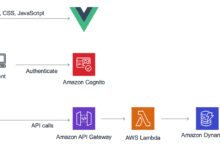
Use API Gateway (1 million free calls/month), Lambda (1 million free requests), and DynamoDB (25 GB free) to create a REST API. This is perfect for mobile apps, chatbots, or IoT devices.
For example, a weather app backend can fetch data from a public API and store user preferences in DynamoDB—all serverless and free.
Running a Development/Testing Environment
Startups and developers use the free tier to test applications before going live. Spin up an EC2 instance for a dev server, use RDS for a test database, and simulate user traffic.
Once testing is complete, tear down the environment to avoid charges. Infrastructure as Code (IaC) tools like AWS CloudFormation or Terraform make this easy.
What Happens After 12 Months?
The 12-month free period ends, but your resources don’t vanish. Instead, they switch to the pay-as-you-go pricing model. This means you’ll be charged based on actual usage.
Automatic Transition to Paid Services
If you’re running an EC2 instance, it will continue running, but you’ll be billed hourly. Similarly, S3 storage beyond 5 GB will be charged at standard rates.
AWS does not automatically shut down your services. It’s your responsibility to monitor usage and decide whether to continue, scale down, or terminate resources.
Strategies for Cost Management Post-Free Tier
To avoid bill shock, plan ahead:
- Downgrade to smaller instance types (e.g., t3.micro to t4g.nano).
- Migrate to always-free services where possible.
- Use AWS Budgets to set monthly spending caps.
- Consider Reserved Instances or Savings Plans for predictable workloads.
Many users find that their actual costs after the free tier are still low—often under $10/month—if they optimize properly.
Can You Extend the Free Tier?
No, the 12-month free tier cannot be extended. However, AWS occasionally offers promotional credits for startups, students, or educational institutions.
For example, the AWS Educate program provides free credits to students and educators. Similarly, the AWS Activate program offers credits and support for startups.
These don’t extend the free tier but provide additional financial relief.
Alternatives to AWS Free Tier
While AWS has the most comprehensive free tier, other cloud providers also offer free plans.
Google Cloud Platform (GCP) Free Tier
GCP offers a $300 free credit for 90 days and several always-free services, including 5 GB of Cloud Storage and 2 million Cloud Functions invocations per month. It’s a strong competitor, especially for data analytics and machine learning.
Learn more at Google Cloud Free Program.
Microsoft Azure Free Tier
Azure provides 12 months of free services, $200 credit for 30 days, and always-free options like 5 GB of Blob Storage and 1 million Azure Function executions.
Azure integrates well with Microsoft tools, making it ideal for .NET developers. Visit Azure Free Account for details.
Comparing Cloud Free Tiers
Here’s a quick comparison:
- AWS: Best for breadth of services and long-term free options.
- GCP: Best for AI/ML and data analytics with generous trial credits.
- Azure: Best for enterprise and Windows-based applications.
Your choice depends on your tech stack, learning goals, and project needs.
Is the AWS Free Tier really free?
Yes, as long as you stay within the usage limits. You need a credit card for identity verification, but AWS won’t charge you unless you exceed free tiers or use paid services.
Does the AWS Free Tier include all services?
No. Only specific services are included. Always check the official list to confirm eligibility.
Can I use the AWS Free Tier for a production website?
Yes, for low-traffic sites. Many personal blogs and small apps run entirely on free-tier services. However, monitor performance and scalability as traffic grows.
What happens if I exceed free tier limits?
You’ll be charged at standard pay-as-you-go rates. AWS sends billing alerts, but it’s your responsibility to monitor usage.
Can I have multiple AWS Free Tier accounts?
No. Each individual or organization is limited to one free tier per account. Creating multiple accounts to extend free usage violates AWS’s terms of service.
The AWS Free Tier is a game-changer for anyone looking to explore cloud computing without financial risk. With 12 months of free access to core services and always-free options, it’s perfect for learning, building projects, and launching startups. By understanding the limits, monitoring usage, and leveraging strategic services, you can maximize its value. Whether you’re a student, developer, or entrepreneur, the AWS Free Tier provides a powerful foundation to innovate in the cloud.
Further Reading: