Ever felt overwhelmed by the sheer power of the AWS Console? You’re not alone. Millions of developers, sysadmins, and startups use this gateway to harness cloud computing—but few truly master it. Let’s unlock its full potential, step by step.

What Is the AWS Console and Why It Matters

The AWS Management Console is the web-based user interface provided by Amazon Web Services (AWS) that allows users to interact with over 200 cloud services. From launching virtual servers to managing databases and monitoring performance, the AWS Console is the central hub for cloud operations. It’s designed to make complex infrastructure tasks accessible through a graphical interface, reducing the need for command-line expertise—though CLI and SDKs remain powerful alternatives.
Core Purpose of the AWS Console
The primary goal of the AWS Console is to simplify cloud management. Instead of writing scripts or commands, users can click through menus, configure settings visually, and monitor resources in real time. This lowers the barrier to entry for individuals and organizations adopting cloud technology.
- Provides a visual dashboard for managing AWS resources
- Enables quick deployment and configuration of services like EC2, S3, and RDS
- Supports identity and access management (IAM) for secure user control
According to AWS, over 90% of new users begin their cloud journey through the console before exploring automation tools like AWS CLI or CloudFormation.
How the AWS Console Fits Into the Cloud Ecosystem
The AWS Console isn’t just a tool—it’s a gateway to the entire AWS ecosystem. It integrates seamlessly with services such as AWS Lambda, Amazon CloudWatch, and AWS CloudTrail. This integration allows users to monitor logs, set up serverless functions, and audit security events—all from one centralized location.
“The AWS Console is the cockpit of your cloud infrastructure. Every switch, gauge, and control is within reach.” — Cloud Architect, AWS Certified Professional
Its role extends beyond simple navigation; it’s a strategic platform for planning, deploying, and securing scalable applications in the cloud.
Navigating the AWS Console Interface Like a Pro
First-time users often find the AWS Console intimidating due to its vast array of services and options. However, once you understand its layout and navigation patterns, it becomes an intuitive and powerful tool. The interface is designed with usability in mind, featuring a consistent top navigation bar, a services menu, and region selectors.
Understanding the Top Navigation Bar
The top navigation bar is your command center. It includes essential elements like your account name, support center, billing dashboard, and notifications. One of the most important features here is the region selector, which allows you to switch between AWS global regions such as US East (N. Virginia), EU (Frankfurt), or Asia Pacific (Tokyo).
- Region selection impacts latency, compliance, and service availability
- Billing and account settings are accessible via the dropdown next to your username
- Support plans (Basic, Developer, Business, Enterprise) can be managed directly from this bar
For example, if you’re deploying an application targeting European users, selecting the EU-West-1 region ensures lower latency and compliance with GDPR regulations.
Mastering the Services Menu
The services menu is the heart of the AWS Console. It categorizes over 200 services into groups like Compute, Storage, Databases, Networking & Content Delivery, Security, Identity & Compliance, and Machine Learning.
- Use the search bar at the top of the services menu to quickly find specific tools (e.g., type ‘S3’ to jump to Amazon S3)
- Frequently used services can be pinned to the favorites section for faster access
- Categories help new users explore related services (e.g., under ‘Compute’ you’ll find EC2, Lambda, ECS)
Pro tip: Customize your favorites by right-clicking any service in the menu. This small step saves hours over time.
Key Features of the AWS Console Every User Should Know
The AWS Console offers more than just point-and-click access to services. It includes advanced features that enhance productivity, security, and monitoring. Understanding these features can dramatically improve your efficiency and reduce operational risks.
Dashboard and Resource Monitoring
The AWS Console provides a customizable dashboard where users can create widgets to monitor key metrics. You can track CPU utilization of EC2 instances, S3 bucket storage usage, or Lambda invocation counts—all in real time.
- Create custom dashboards for different teams (e.g., DevOps, Security, Finance)
- Set up alarms using Amazon CloudWatch to trigger notifications when thresholds are exceeded
- Visualize trends over time using built-in graphing tools
This level of visibility helps prevent outages and optimize costs by identifying underutilized resources.
Integrated Search and Quick Find
With hundreds of services, finding the right tool quickly is crucial. The AWS Console includes a global search bar that indexes services, resources, and even documentation.
- Type ‘security groups’ to jump directly to EC2 network configurations
- Search for specific resource IDs (e.g., i-1234567890abcdef0) to locate instances instantly
- Access AWS documentation and support articles directly from search results
This feature alone can cut navigation time by up to 60%, according to internal AWS usability studies.
Setting Up Your First AWS Console Account
Getting started with the AWS Console begins with creating an AWS account. While the process is straightforward, there are critical steps to ensure security and cost control from day one.
Step-by-Step Account Creation
Visit aws.amazon.com/console and click ‘Create an AWS Account’. You’ll need to provide basic information including your email, password, and payment method. AWS offers a Free Tier with limited access to services for 12 months, ideal for learning and small projects.
- Choose a root account email that’s monitored regularly
- Enter valid credit card details (required even for Free Tier)
- Verify your phone number via automated call or SMS
After verification, you’ll gain access to the AWS Console and can begin exploring services.
Essential Post-Setup Security Steps
Once your account is created, the next step is securing it. The root account has full access to all resources and billing information, making it a prime target for attackers.
- Enable Multi-Factor Authentication (MFA) on the root account immediately
- Create an IAM user with administrative privileges and use it instead of the root account
- Set up billing alerts to avoid unexpected charges
AWS strongly recommends never using the root account for daily operations. Instead, delegate permissions through IAM roles and policies.
Managing AWS Services Through the Console
One of the most powerful aspects of the AWS Console is its ability to manage a wide range of services through a unified interface. Whether you’re launching virtual machines, storing data, or building serverless applications, the console provides guided workflows and real-time feedback.
Launching and Configuring EC2 Instances
Amazon Elastic Compute Cloud (EC2) is one of the most widely used services in AWS. Through the AWS Console, you can launch a virtual server in minutes.
- Navigate to EC2 Dashboard and click ‘Launch Instance’
- Choose an Amazon Machine Image (AMI), such as Amazon Linux 2 or Ubuntu
- Select an instance type (e.g., t3.micro for Free Tier eligibility)
- Configure security groups to control inbound and outbound traffic
You can also attach storage volumes, assign public IP addresses, and enable monitoring—all via the console’s step-by-step wizard.
“The EC2 launch wizard in the AWS Console reduces deployment time from hours to minutes.” — DevOps Engineer, Tech Startup
Managing S3 Buckets and Object Storage
Amazon S3 (Simple Storage Service) is the backbone of cloud storage. The AWS Console makes it easy to create buckets, upload files, and configure permissions.
- Create a new bucket by specifying a unique name and region
- Upload objects via drag-and-drop or file selection
- Set bucket policies and ACLs to control access
- Enable versioning and lifecycle rules for data retention and cost savings
For example, you can configure a lifecycle rule to move infrequently accessed data to S3 Glacier after 30 days, reducing storage costs by up to 70%.
Security and Access Control in the AWS Console
Security is paramount in cloud computing, and the AWS Console provides robust tools to manage access, detect threats, and maintain compliance. Misconfigurations are a leading cause of data breaches, so understanding these controls is essential.
Using IAM to Manage User Permissions
Identity and Access Management (IAM) is the cornerstone of AWS security. Through the AWS Console, you can create users, groups, roles, and policies to enforce the principle of least privilege.
- Create IAM users for team members and assign them to groups (e.g., Developers, Admins)
- Attach managed or custom policies to define what actions they can perform
- Use IAM roles to grant temporary permissions to applications or cross-account access
For instance, a developer might have read-only access to production databases but full access in the development environment.
Monitoring with AWS CloudTrail and CloudWatch
Auditing and monitoring are critical for detecting unauthorized activity. AWS CloudTrail logs all API calls made through the AWS Console, CLI, or SDKs, while Amazon CloudWatch monitors system performance and sets alarms.
- Enable CloudTrail in the AWS Console to track user activity and resource changes
- View event history to investigate security incidents
- Integrate CloudWatch with SNS to send email or SMS alerts when anomalies occur
Together, these tools provide a comprehensive security posture, helping organizations meet compliance standards like HIPAA, SOC 2, and ISO 27001.
Optimizing Costs and Performance via the AWS Console
One of the biggest challenges in cloud computing is cost management. Without proper oversight, cloud bills can spiral out of control. The AWS Console includes several tools to monitor spending, optimize resource usage, and improve application performance.
Using AWS Cost Explorer and Budgets
AWS Cost Explorer provides visual insights into your spending patterns over time. You can break down costs by service, region, or tag, helping you identify areas for optimization.
- Access Cost Explorer from the AWS Billing Dashboard
- Analyze trends over daily, monthly, or custom time ranges
- Create forecasts to predict future spending
Pair this with AWS Budgets to set custom thresholds. For example, you can receive an alert when your monthly EC2 spend exceeds $100.
Performance Insights and Optimization Tools
Performance issues can stem from under-provisioned instances, inefficient queries, or network bottlenecks. The AWS Console integrates tools like RDS Performance Insights and EC2 Instance Metrics to diagnose problems.
- Use RDS Performance Insights to identify slow SQL queries affecting database performance
- Check EC2 CPU credit balance for T-series instances to avoid bursting limits
- Leverage Trusted Advisor recommendations for cost, performance, and security improvements
Trusted Advisor, accessible in the AWS Console, offers real-time guidance on optimizing infrastructure—many of its checks are free, while full access requires a Business or Enterprise support plan.
Advanced Tips and Hidden Features of the AWS Console
Even experienced users often overlook powerful features built into the AWS Console. These advanced tips can boost productivity, enhance security, and streamline workflows.
Using the AWS Console Mobile App
AWS offers a mobile app that mirrors many console functions, allowing you to monitor resources, receive alerts, and even stop instances on the go.
- Download the AWS Console Mobile App from iOS App Store or Google Play
- Use MFA via the app for secure login
- Receive push notifications for CloudWatch alarms and billing alerts
This is especially useful for DevOps teams managing 24/7 systems.
Customizing the Console with Themes and Shortcuts
The AWS Console supports dark mode, which reduces eye strain during long sessions. You can enable it under the user settings dropdown.
- Switch to dark theme for improved readability
- Create browser bookmarks for frequently accessed service URLs
- Use keyboard shortcuts (e.g., ‘g’ then ‘s’ to go to S3) for faster navigation
These small tweaks add up to significant time savings over weeks of use.
What is the AWS Console?
The AWS Console is a web-based interface that allows users to manage Amazon Web Services. It provides access to over 200 cloud services, including computing, storage, databases, and machine learning, through a graphical user interface.
Is the AWS Console free to use?
Yes, accessing the AWS Console itself is free. However, the services you use within the console (like EC2 instances or S3 storage) incur charges based on usage. AWS offers a Free Tier with limited resources for new users.
How do I secure my AWS Console account?
To secure your AWS Console account, enable Multi-Factor Authentication (MFA) on the root account, create IAM users with limited permissions, and set up billing alerts. Avoid using the root account for daily tasks.
Can I automate tasks in the AWS Console?
While the AWS Console is primarily a manual interface, you can generate CLI commands or CloudFormation templates directly from many console workflows. This bridges the gap between GUI and automation.
What is the difference between AWS Console and AWS CLI?
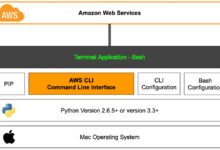
The AWS Console is a graphical interface for managing AWS services, while the AWS CLI (Command Line Interface) is a text-based tool for scripting and automation. The console is user-friendly for beginners; the CLI is preferred for automation and DevOps workflows.
Mastering the AWS Console is a critical step in your cloud journey. From setting up your first account to managing complex infrastructures, the console provides the tools you need to succeed. By leveraging its navigation features, security controls, cost management tools, and hidden shortcuts, you can operate more efficiently and securely. Whether you’re a beginner or an experienced user, there’s always more to learn—and the AWS Console remains your most powerful ally in the cloud.
Further Reading: